Türkçe
 English
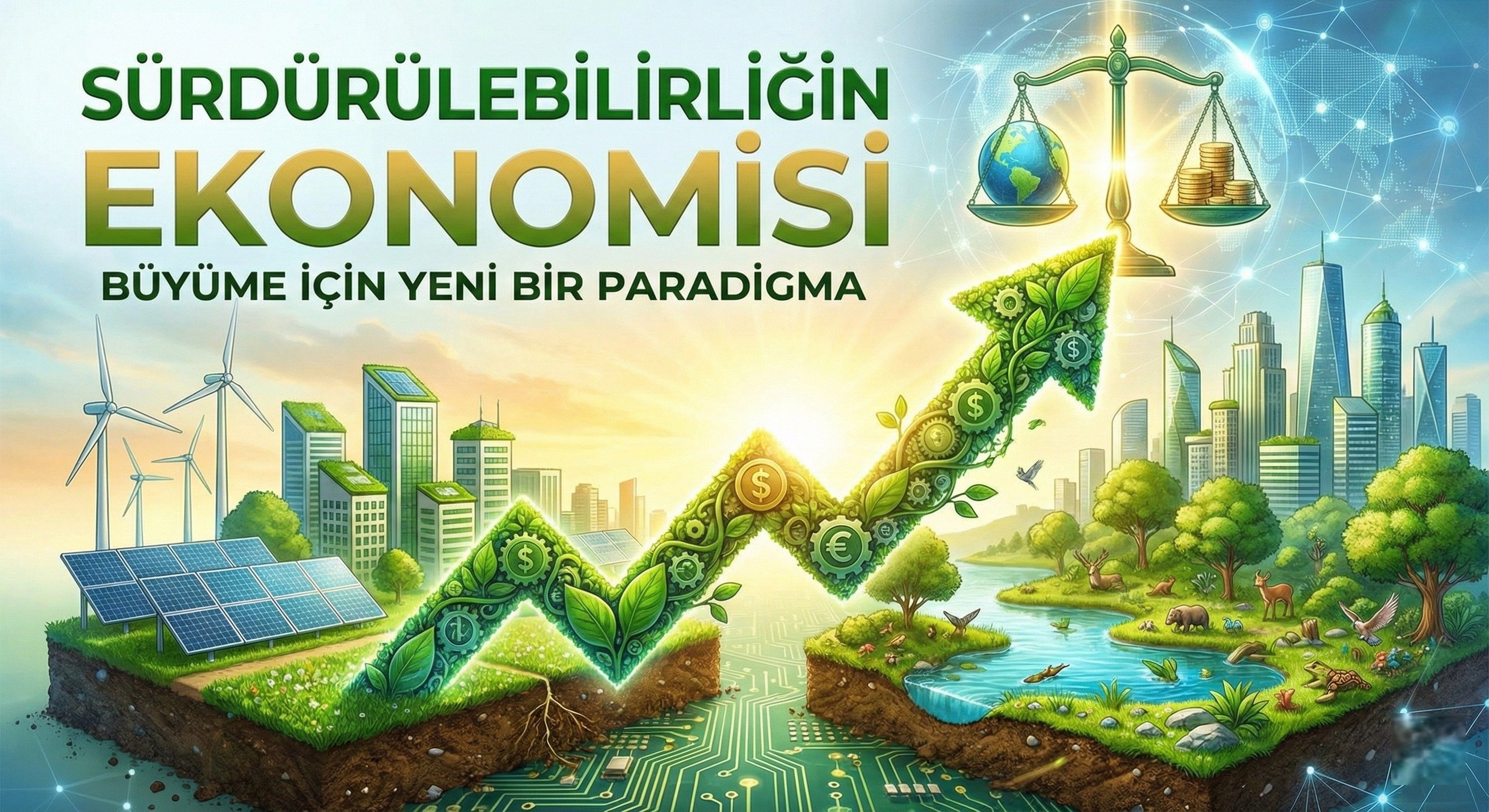
Sürdürülebilirlik ve Karbon Borsası - Geleceğin Düşük Karbonlu Ekonomisine Doğru
ESG: Driving Positive Change for a Sustainable Future
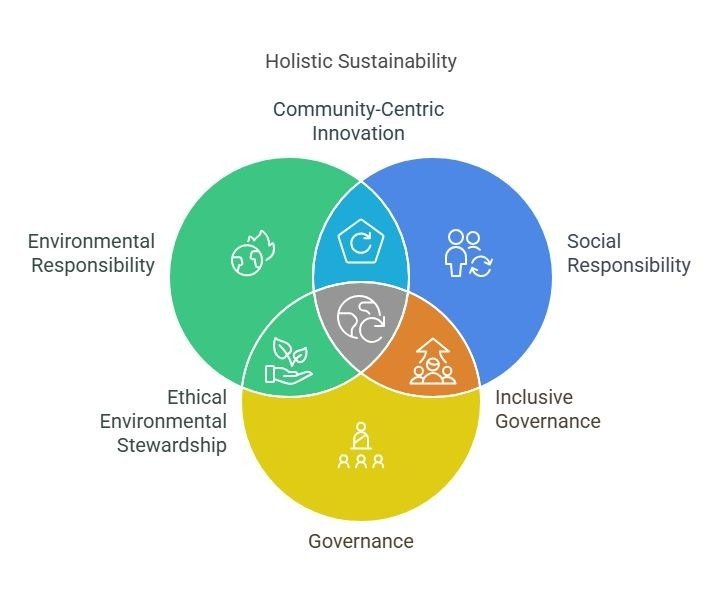
As sustainability becomes a necessity rather than a choice, Environmental, Social and Governance (ESG) principles are reshaping business, investment and our shared future.
Environment:
ESG encourages proactive action on a range of issues, from reducing our carbon footprint to protecting natural resources and mitigating climate risks. The aim is to ensure that businesses are aligned not only with their bottom line, but also with the needs of the planet.
Social:
From increasing diversity and inclusion to supporting local communities, ESG puts people at the center of decision-making. Building a more just and equitable society starts with businesses making informed choices in their operations.
Governance:
Strong governance promotes accountability, transparency and ethical leadership. Through sound governance practices, businesses can create resilient and reliable foundations for long-term growth.
Impact:
ESG is more than just a framework; it is a catalyst for change. With ESG, we can:
Protect our ecosystems and combat climate change.
Build communities built on justice and opportunity.
Develop innovations that balance profit with purpose.
When we embrace ESG together, we not only protect our planet, but also chart a course for sustainable prosperity that future generations will benefit from.
With ESG strengthening the foundations of sustainability, now is the time to take action and be part of positive change.
Sustainability and Carbon Exchanges: The Key to Integration
Sustainability is a development approach that prioritizes the efficient use of resources, reducing environmental impacts, and social responsibility. In this process, carbon exchanges emerge as an important tool. Carbon exchanges are a mechanism used to limit carbon emissions and contribute to environmental sustainability through carbon markets.
The Basic Mechanism of Carbon Exchanges
Carbon exchanges allow companies and countries to trade their carbon emissions within a limited "carbon budget."
Carbon Credits: Represent the right to emit one tonne of carbon dioxide equivalent. Companies that emit less generate income by selling excess carbon credits on the market.
Carbon Trading: Companies with high emissions can offset their carbon emissions by purchasing carbon credits.
Integration with Sustainability
1. Emission Reduction and Carbon Exchanges
Carbon exchanges encourage companies and governments to reduce their emissions in line with sustainability goals:
Low Carbon Technologies: Instead of purchasing carbon credits, companies make the transition to a more sustainable structure in the long term by investing in renewable energy, energy efficiency and low-carbon production technologies.
Circular Economy: Carbon exchanges promote circular economy practices such as recycling and waste reduction.
2. Green Finance and Carbon Markets
Carbon exchanges provide resources for companies to finance sustainable projects:
Green Bonds: Companies use the revenues they generate from carbon markets to support their sustainable projects.
Funding: Revenues from carbon exchanges can be channeled into renewable energy and sustainable infrastructure projects.
3. International Trade and Competitive Advantage
Companies that integrate into carbon markets in line with their sustainability goals gain a competitive advantage in international trade:
Policies such as the European Union’s Border Carbon Adjustment Mechanism (CBAM) prioritize low-carbon products, which facilitates the commercial activities of companies participating in carbon exchanges.
4. Carbon Certification and Transparency
Companies that integrate into carbon exchanges gain a more transparent structure through processes such as sustainability reporting and carbon footprint measurement. This increases investor confidence and strengthens ESG performance.
Examples of Successful Integration
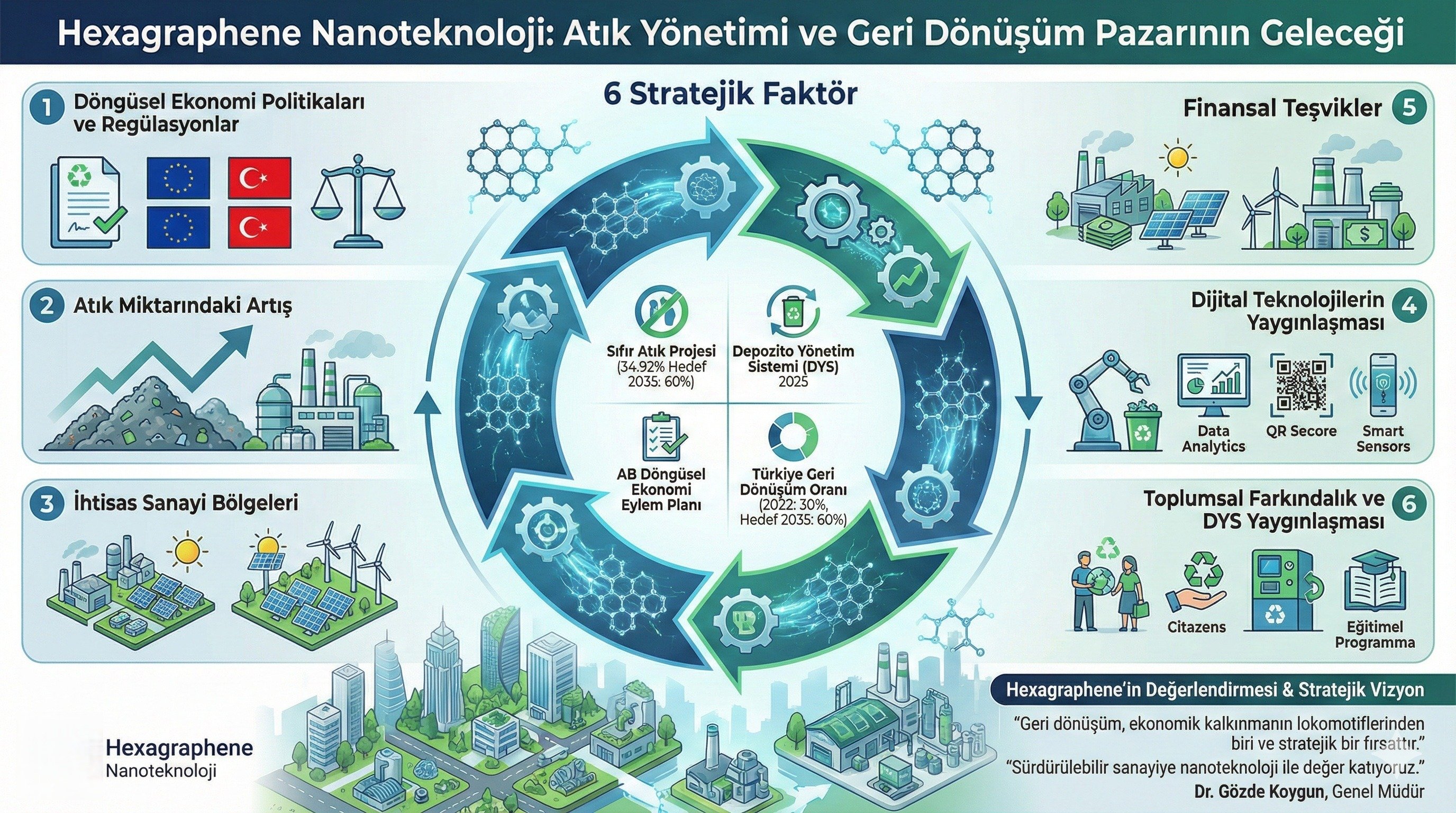
Hexagraphene and Carbon Credits: Hexagraphene, which has a carbon certification authority in Turkey, contributes to both environmental and economic sustainability by trading the carbon savings it obtains from waste management in international carbon markets.
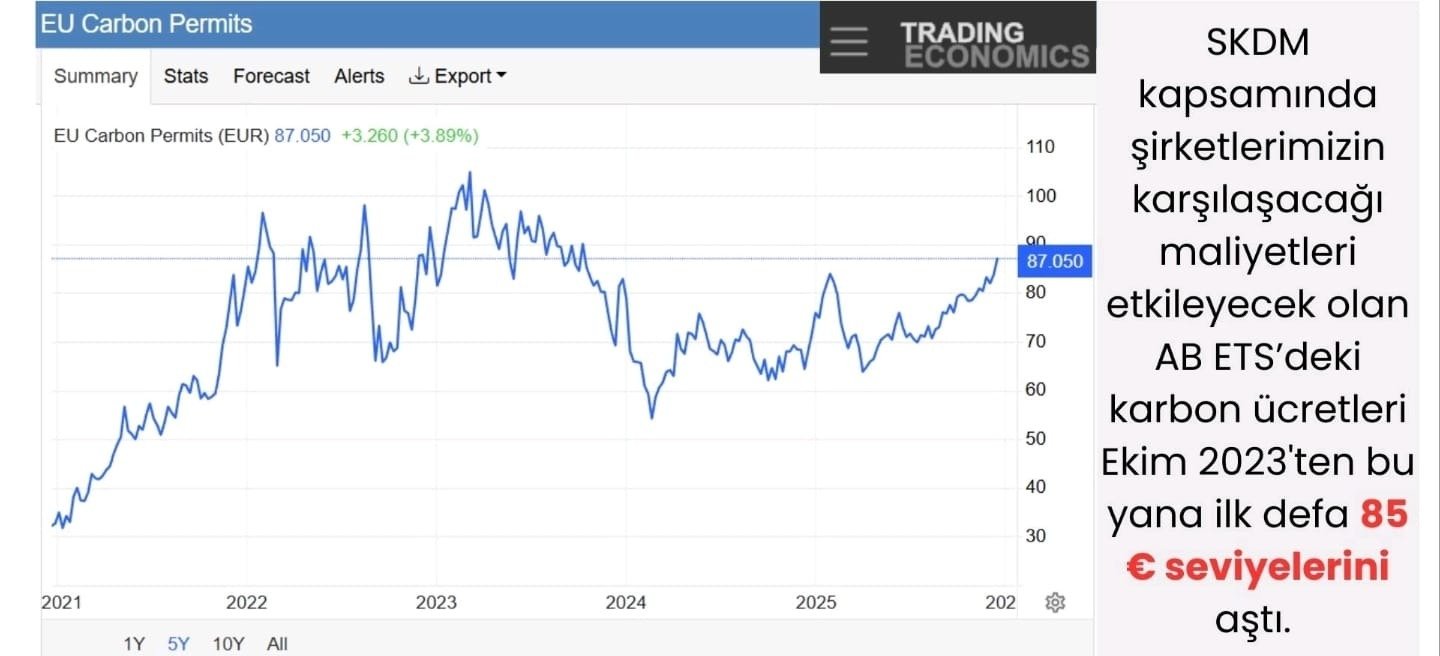
European Union Emissions Trading System (ETS): The EU’s carbon trading platform is one of the most important mechanisms supporting sustainable development by encouraging low-carbon production.
Conclusion
Sustainability and carbon exchanges offer a powerful integration that supports environmental goals with economic mechanisms. Carbon exchanges provide financial incentives for emission reductions, while motivating companies and governments to transition to a more sustainable structure. This integration is a critical tool for achieving both environmental and economic sustainability and is one of the cornerstones of the low-carbon economy of the future.