Environmental, Social and Governance (ESG) reporting has become a critical tool for businesses to build transparency, trust and accountability. It not only attracts the attention of responsible investors, but also enables companies to align with global sustainability goals. However, this process brings not only opportunities but also challenges. Effectively implementing ESG reporting is possible by overcoming these challenges and taking strategic steps towards a sustainable future.
Key Challenges in ESG Reporting
Lack of Standardization: The lack of a globally valid, consistent framework for ESG reporting makes comparability and reliability difficult.
Accurate Data Collection and Management: Collecting and ensuring the accuracy of ESG data requires resources and time. This can be a significant burden, especially for small and medium-sized businesses.
Regulatory Complexity: Constantly changing regulations make it even more difficult for companies to manage compliance processes.
Lack of In-House Expertise: Viewing ESG solely as a compliance obligation can lead to the lack of necessary expertise.
Opportunities in ESG Reporting
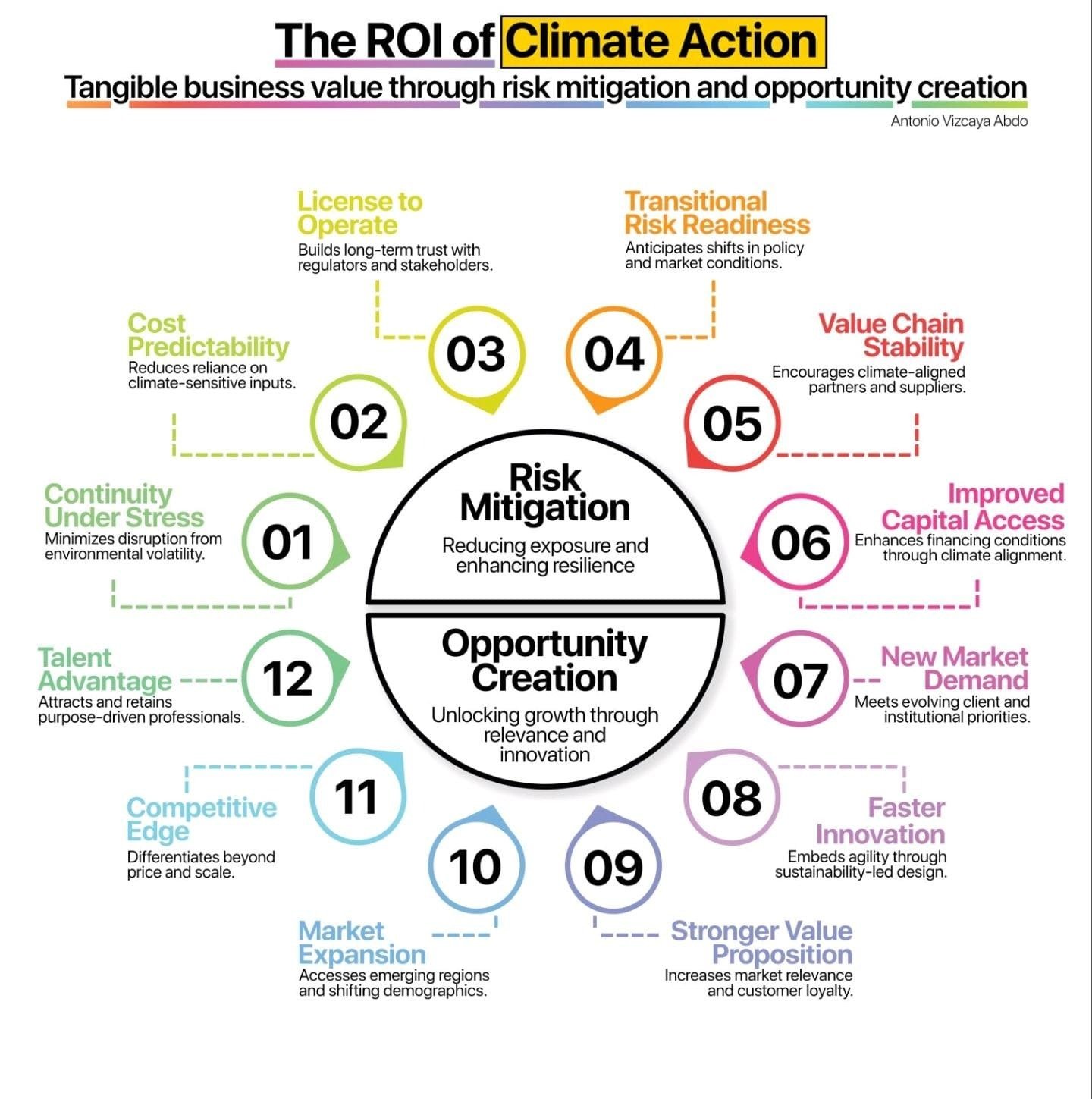
Investor and Customer Trust: Transparent reporting builds trust with stakeholders and enhances the company's reputation.
Innovation and Efficiency: Efforts to achieve ESG goals encourage businesses to develop innovative solutions.
Risk Management: ESG reporting helps identify potential risks early, which gives companies a competitive advantage.
Compliance with UN Sustainable Development Goals: Companies' contributions to global goals support the creation of social value.
How to Overcome the Challenges?
To effectively implement ESG reporting, businesses can follow these steps:
Using Standard Frameworks: Adopting internationally accepted frameworks such as GRI (Global Reporting Initiative) or TCFD (Task Force on Climate-related Financial Disclosure) can increase consistency in reporting.
Using Technology: It is possible to increase accuracy and save time by digitizing data collection and analysis processes.
Employee Training: Training programs should be organized for employees and in-house teams should be established to increase knowledge in the field of ESG.
Interdepartmental Collaboration: Aligning ESG goals across the organization supports effective reporting.
The Role of Technology in ESG Reporting
Technology is changing the game in ESG reporting. Artificial intelligence (AI) and data analytics tools are automating data collection processes and increasing accuracy. Digital reporting platforms are facilitating communication with stakeholders and providing transparency. These technological solutions are optimizing businesses’ ESG efforts, reducing costs and creating more effective results.
Future Trends in ESG Reporting
AI-Driven Insights: AI enables optimizing ESG performance and faster decision-making.
Integrated Reporting: Reporting that combines financial and ESG performance allows companies to present a more comprehensive picture.
Sector-Specific Frameworks: Customized ESG guidelines that address unique industry challenges encourage effective reporting.
Conclusion
ESG reporting is not just a compliance requirement, it is also an opportunity for companies to create long-term value. Businesses that embrace challenges and create innovative solutions can become leaders in terms of sustainability and resilience.
Call to Action
How is your organization addressing these challenges in ESG reporting? Share your experiences with us or contact us to optimize your ESG processes. Together, let's move towards a more sustainable future!

 Türkçe
 English