Türkçe
 English
Transition to a Sustainable Economy - Environmental and Social Responsibility for All Sectors
Transition to a Sustainable Economy: Environmental and Social Responsibility for All Sectors
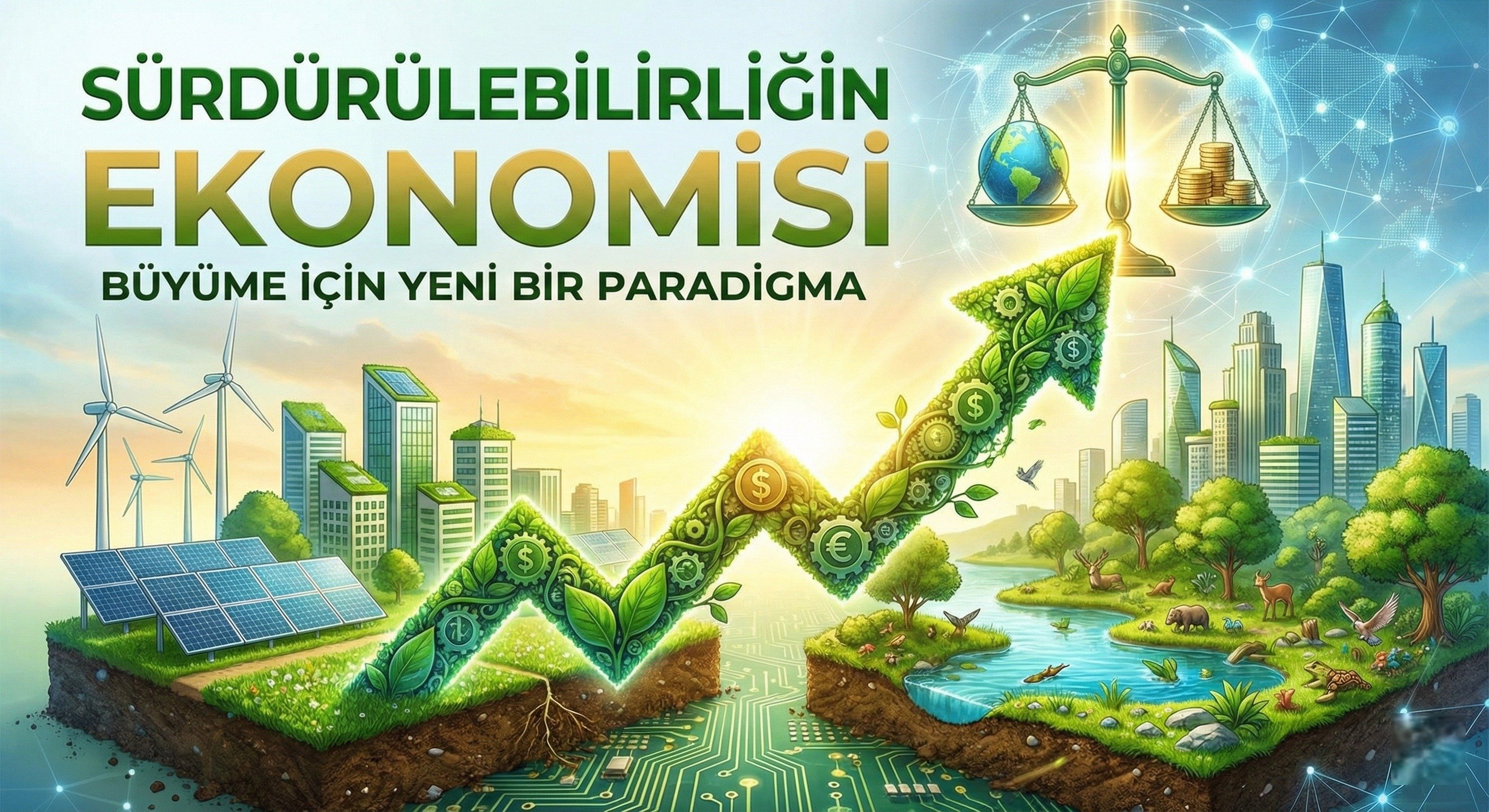
Today, environmental issues and sustainability have become a major priority not only for environmentally conscious individuals, but also for all sectors and the business world. It is critical for businesses operating in various areas of industry and trade to create a sustainable economy by minimizing their environmental impacts. In this article, we will explore important steps to achieve environmental goals, use natural resources more efficiently, and increase social responsibility awareness.
1. Transition to a Circular Economy: Using Resources Efficiently
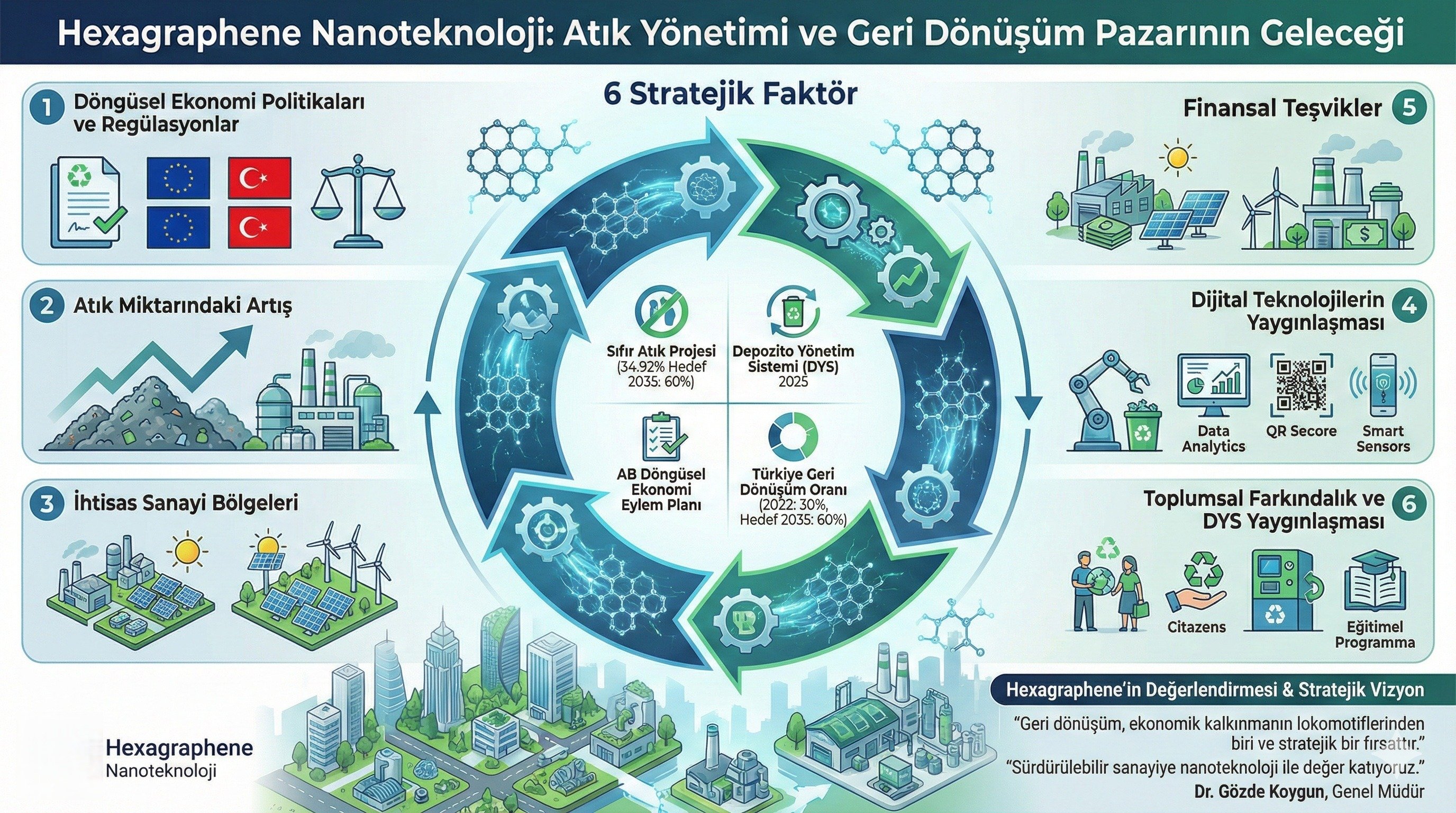
A circular economy is a model that aims to use natural resources more efficiently and minimize waste in production and consumption processes. Transitioning to this model both saves businesses money and reduces environmental impacts. Sectors can create a more sustainable production process by focusing on these principles at every stage from product design to production.
How Can It Be Applied?
Raw Material Use: Reducing the use of primary raw materials and turning to recycled or bio-based raw materials prevents the depletion of natural resources.
Durable and Repairable Product Design: Products that are long-lasting, repairable and recyclable reduce the amount of waste and minimize negative impacts on the environment.
Waste Management: Recycling waste and using recovered materials in production contributes to the circular economy.
2. Pollution Prevention and Control: Clean Production
Preventing and controlling pollution is a fundamental element of achieving environmental goals. Businesses should reduce not only greenhouse gases but also emissions that pollute natural resources such as air, water and soil. It is possible to protect both the environment and societies by using clean production technologies.
How Can It Be Applied?
Emission Reduction: Methods that will reduce air, water and soil pollution can be used during activities. In addition, environmentally damaging effects should be minimized during the production and use of chemicals.
Waste Management: Proper disposal and reprocessing of industrial waste helps prevent pollution.
3. Biodiversity and Ecosystem Protection: Protecting Nature
Ecosystems and biodiversity are vital for preserving the balance of nature. Sectors should contribute to preserving this balance during their activities. Sustainable agricultural practices, forest management and protection of natural areas are important steps for protecting biodiversity.
How Can It Be Applied?
Protection of Natural Areas: Sectors should prevent the degradation of natural and semi-natural ecosystems in the regions where they operate and take protection measures.
Sustainable Agriculture and Forest Management: Sustainable management practices in the agriculture and forest sectors protect nature and biodiversity.
4. Not Harming Environmental Goals: Responsible Production and Consumption
It is important for a business not to harm the environment, not only at the end of its activities, but throughout the entire life cycle of the products. Factors such as production processes, waste management, energy consumption and emissions determine their impacts on the environment. Sectors should constantly review and improve their processes in order not to harm environmental goals.
How Can It Be Applied?
Lower Emissions: Greenhouse gas emissions should be minimized throughout the life cycle of products, and renewable energy sources should be used.
Product Life Cycle: The durability, recyclability and waste generation potential of products should be continuously evaluated.
5. Social Security and Workers' Rights: Respect for Human Rights
Not only the environment, but also human rights and social security are important agenda items. Social security measures of businesses should protect the rights of their employees and comply with the criteria determined by the International Labor Organization.
How Can It Be Applied?
Working Conditions: The rights of employees should be protected, fair working conditions should be provided.
Respect for Human Rights: Work should be carried out in accordance with good business practices and international standards.
In Conclusion...
The fulfillment of environmental and social responsibilities by all sectors plays a critical role in building a sustainable future. Steps to be taken in fundamental areas such as circular economy, prevention of pollution, protection of biodiversity and social security measures will both increase the success of companies and contribute to the future of our planet. Small steps taken today will create big changes tomorrow, and all sectors will unite for a greener, fairer and more sustainable economy. Let's do our part!