Türkçe
 English
Why Is the Climate Law Important?
Why Is the Climate Law Important?
-
Provides a Legal Framework
The Climate Law establishes the government’s climate commitments on a legal basis. Thus, climate policies depend not on political preferences but on legal obligations. -
Reduces Greenhouse Gas Emissions
By clarifying emission targets, it mandates concrete steps to reduce carbon emissions, facilitating compliance with international agreements like the Paris Agreement. -
Offers Predictability for Investments
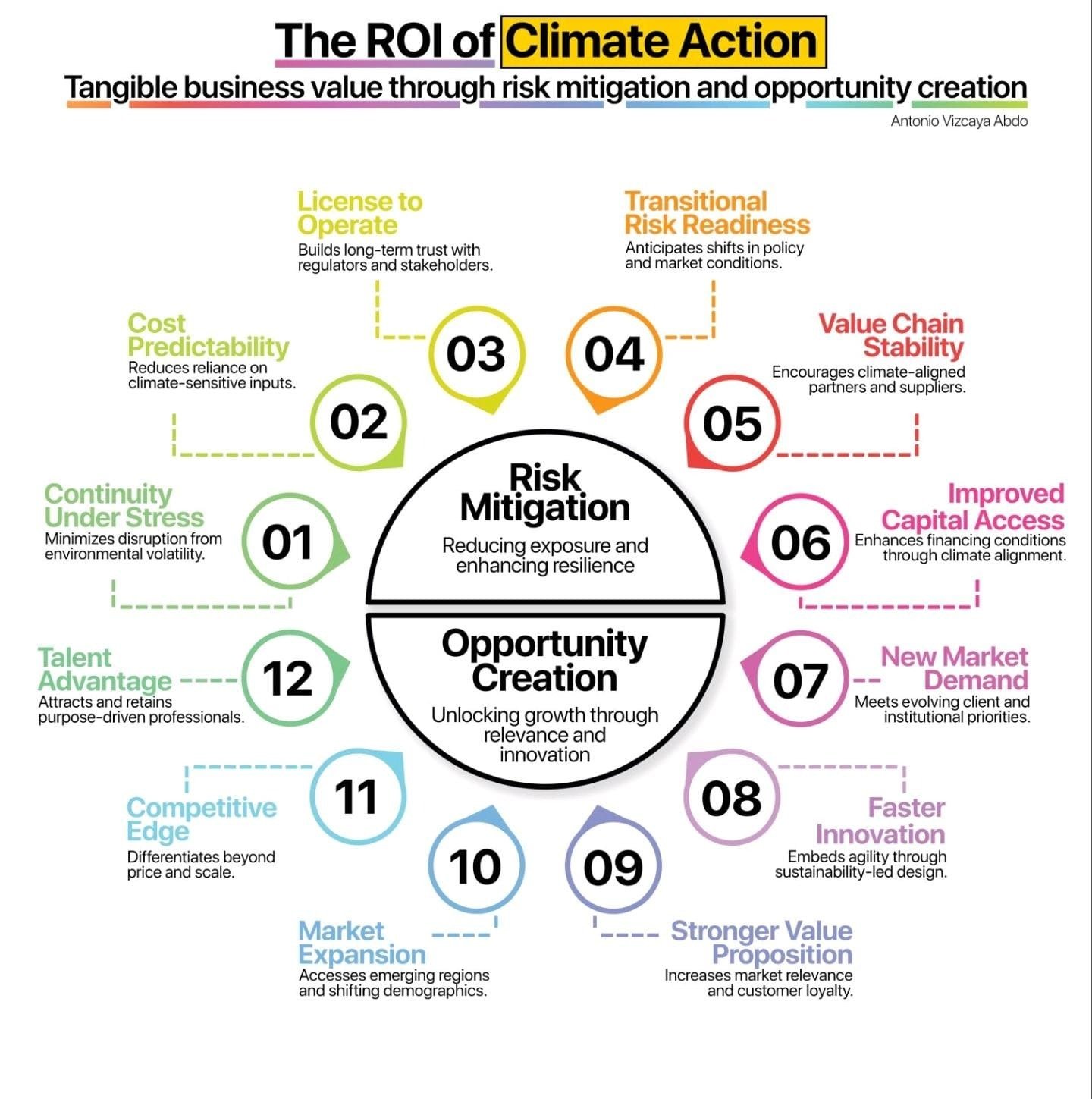
It provides companies and investors with a clear, long-term roadmap. It creates a favorable environment for carbon markets, renewable energy investments, and sustainable technologies. -
Accelerates the Green Transition
It encourages the shift to low-carbon models in sectors like energy, transportation, agriculture, and industry—helping to build a more environmentally friendly and resilient economy. -
Increases Resilience to Climate Risks
The law may include adaptation plans and disaster risk management strategies. This enhances the resilience of cities, agriculture, and infrastructure to climate change. -
Ensures Public Participation and Transparency
Through public information, transparent data sharing, and participatory processes, the law promotes society’s involvement in the climate action process. -
Offers a Future Aligned with Sustainable Development
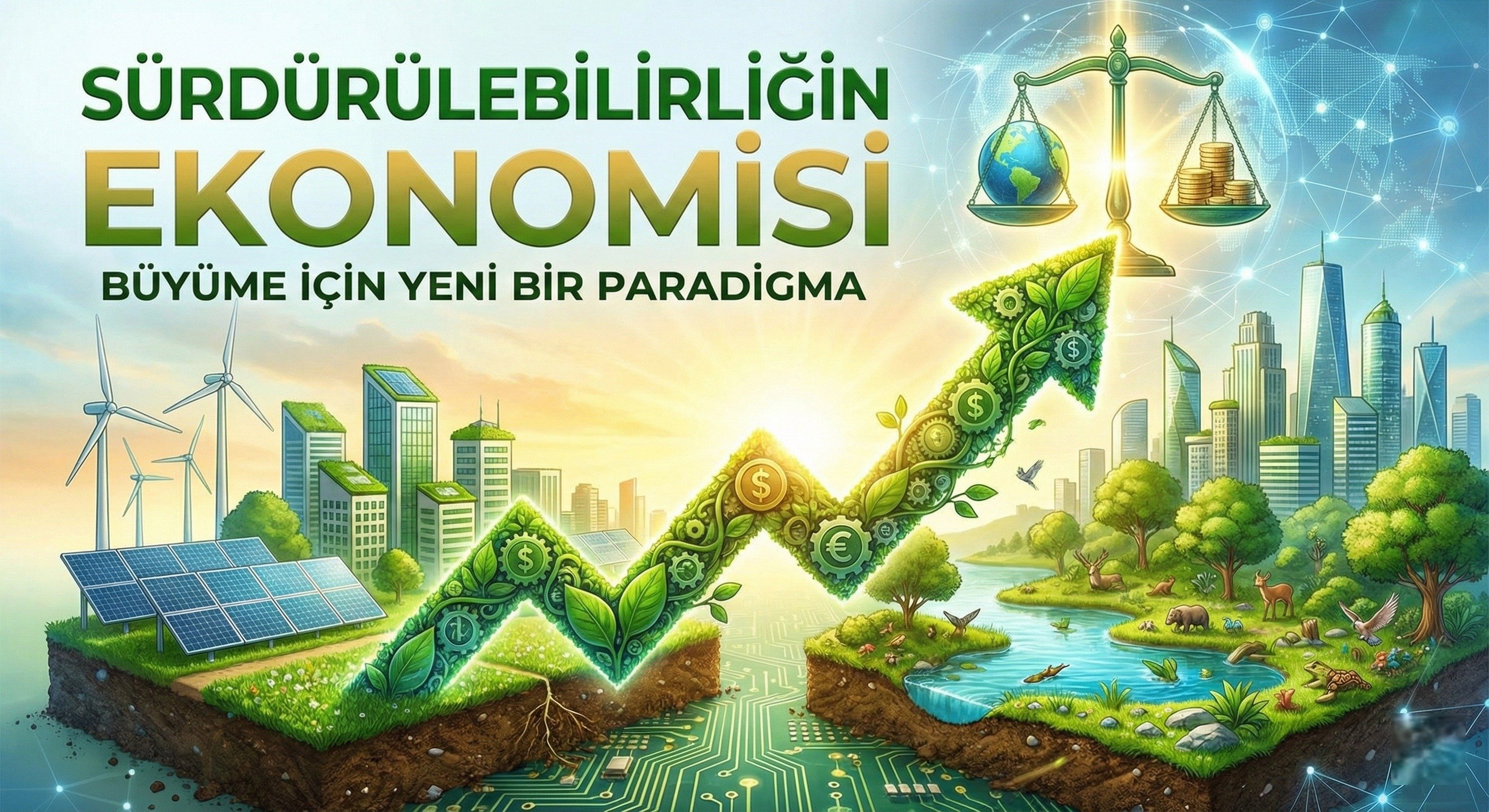
Climate laws are crucial not only for environmental protection but also for economic and social development. They create green jobs, reduce energy imports, and yield health benefits.
How Will the Climate Law Affect Food Governance?
-
Mandatory Low-Emission Production in Agriculture
The agriculture sector is a significant source of greenhouse gas emissions. With the Climate Law:
-
Fertilizer use, irrigation methods, and energy consumption will be restructured.
-
Low carbon footprint production methods will be encouraged.
-
Climate-Sensitive “Farm to Fork” Supply Chain
-
Energy efficiency will be ensured in cold chains, transportation, and storage processes.
-
Promotion of local and seasonal products will reduce transport-related emissions.
-
Increased Fight Against Food Waste
-
Food waste is the hidden side of emissions.
-
Retailers may face targets and reporting obligations to reduce waste.
-
Consumer awareness campaigns and the promotion of “second-grade” products will increase.
-
Climate-Resilient Agricultural Planning
-
Climate-resilient seeds, crop patterns, and irrigation technologies will be used to cope with drought, heavy rainfall, and temperature fluctuations.
-
Agricultural insurance and early warning systems will be expanded.
-
Food Producers Will Enter the Carbon Market
-
Through practices like soil management, pasture restoration, and agroforestry, agricultural producers will be able to sell carbon credits.
-
Green Criteria in Public Procurement
-
Institutions such as schools, hospitals, and municipalities will prioritize environmentally friendly, local, and low-carbon food products.
Conclusion:
The Climate Law aims to make the food sector more efficient, environmentally friendly, and resilient. This transformation presents both a responsibility and new opportunities for everyone, from producers to consumers.
The Climate Law aims to make the food sector more efficient, environmentally friendly, and resilient. This transformation presents both a responsibility and new opportunities for everyone, from producers to consumers.
How Will the Climate Law Affect the Defense Industry?
-
Obligation for Low-Carbon Production and Technology
-
Defense industry production facilities will be subject to strict audits in areas such as energy efficiency, waste management, and emission reduction.
-
Materials used in production will be evaluated based on sustainability, carbon footprint, and recyclability.
-
Green Supply Chain and Domestic Production Incentives
-
The carbon footprint of inputs will be scrutinized; working with green-certified suppliers will become advantageous.
-
The use of domestically sourced and sustainable products in defense systems will increase.
-
Energy Efficiency and Renewable Energy Use in Military Operations
-
Innovative solutions such as mobile energy systems, vehicles integrated with solar panels, and biofuel technologies will gain importance.
-
Systems that reduce dependence on fossil fuels in the field will be developed, thereby minimizing logistical risks.
-
Security Dimension of the Climate Crisis
-
Issues such as migration, water scarcity, and food security caused by climate change will now be integrated into military strategy planning.
-
Climate-defense scenarios will be developed to address cross-border climate-induced crises.
-
Carbon Footprint Reporting and the Green Transition of Defense Facilities
-
Defense industry institutions may be required to report the carbon footprint of facilities above a certain size.
-
Investments in energy transition (e.g., green hydrogen, energy-saving systems) will increase in line with net-zero targets.
-
New Criteria in International Competition
-
With global policies like the EU Green Deal, criteria such as environmental labeling and carbon compliance will be sought in international defense product sales.
-
The Turkish defense industry will become more competitive globally through climate-friendly production processes.
Conclusion:
For the defense industry, the Climate Law is not just an environmental regulation but also a strategic and technological transformation tool. Through this shift, Turkey can build a more environmentally friendly, energy-efficient, and globally sustainable defense sector.
For the defense industry, the Climate Law is not just an environmental regulation but also a strategic and technological transformation tool. Through this shift, Turkey can build a more environmentally friendly, energy-efficient, and globally sustainable defense sector.
Impact on the Automotive Sector
a. Accelerated Transition to Electric Vehicles
-
Restrictions on fossil-fueled vehicles will promote electric vehicle (EV) production.
-
Internal combustion engine vehicles that fail to meet emission standards will gradually be phased out.
b. Carbon Footprint Tracking in the Supply Chain
-
Automotive manufacturers may be required to report the carbon footprint of their products, starting from sub-suppliers.
-
This will also compel parts manufacturers and machining companies to integrate into the process.
c. Use of Recyclable Materials
-
Vehicle bodies, battery casings, and interior components are expected to be made from environmentally friendly, recyclable, and lightweight materials.
Impact on Spare Parts Production
a. Eco-Friendly Materials and Production Techniques
-
Instead of carbon-intensive materials, lightweight, durable, and low-emission alternatives will be preferred.
-
Emissions from processes such as heat treatment and coating may be subject to measurement and reduction requirements.
b. Recycling and Circular Economy
-
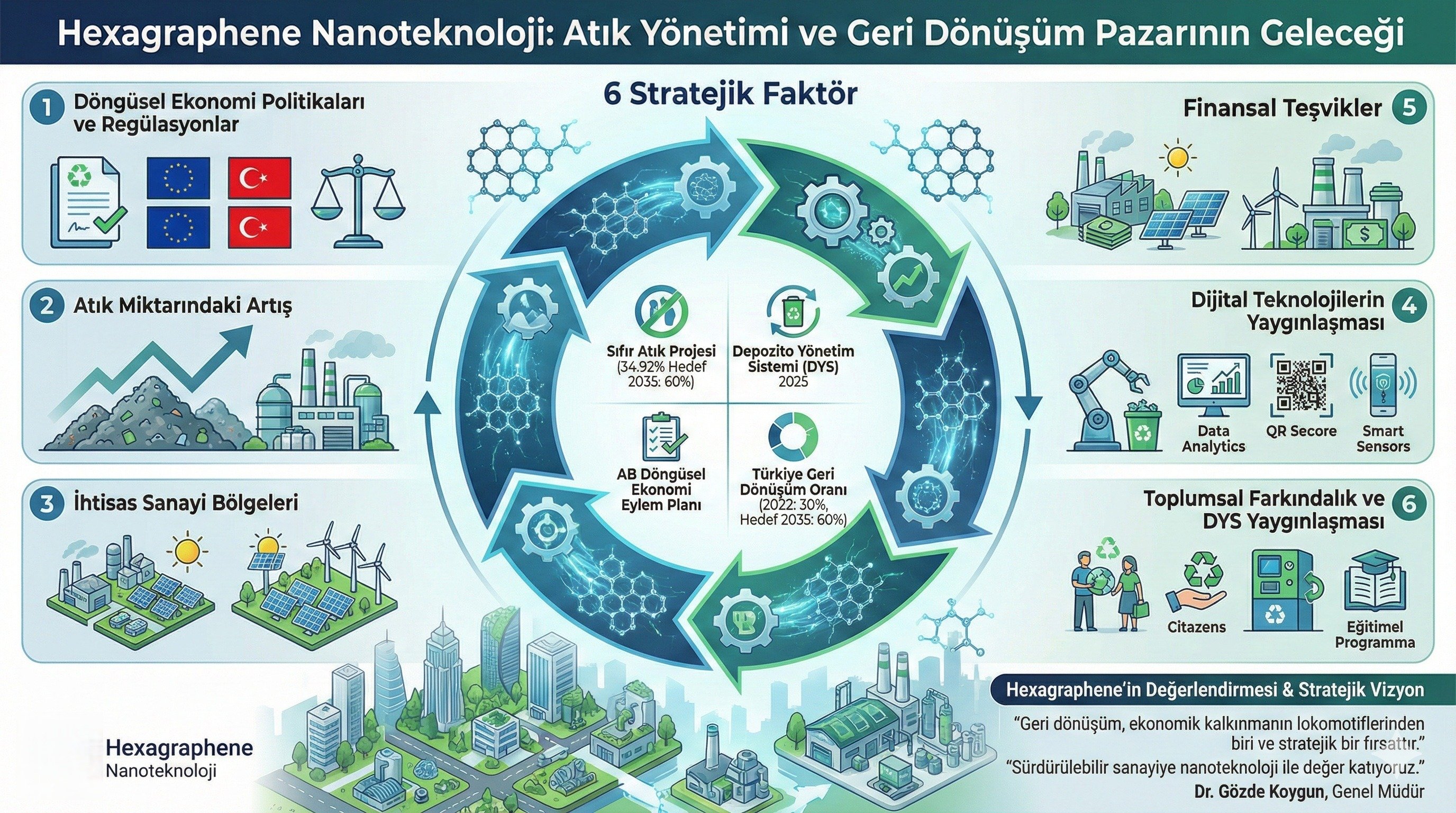
Systems will need to be established for the reuse or recycling of scrap parts.
-
Spare parts manufacturers will be encouraged to develop remanufacturing capabilities.
c. Green Certification Process
-
For exporters, environmental labels, eco-design, and carbon footprint certifications will offer a competitive edge.
Impact on the Machining Industry
a. Energy Efficiency and Clean Production-
Targets for energy efficiency will be set for CNC machines, lathes, and milling machines.
-
Strict audits will be conducted on processes involving coolant, cutting fluids, and waste management.
b. Monitoring and Reporting of Waste-
Monitoring of chip, oil, and chemical waste at the facility level will be integrated into environmental inspection systems.
-
Applications such as chip recovery and energy regeneration will become mandatory or incentivized.
c. Incentives for Domestic and Low-Carbon Raw Materials-
Use of locally produced and environmentally certified materials will be encouraged over imported high-carbon steels.
-
Machining companies will need to adapt to these new raw materials and techniques.
General Outlook and Expectations
-
Industrial enterprises must decarbonize not only their products but also their production processes.
-
Digitalization, green transformation, and energy management solutions will become critical for all sectors.
-
Redirecting R&D and machinery investments in this direction and utilizing green financing instruments will provide a major advantage.
Impact on the Paint and Chemical Manufacturing Sector
The impact of the Climate Law on the paint and chemical production sector will bring about major transformations, particularly in raw material use, production processes, waste management, and product content. This transformation is a process that directly affects both compliance with environmental regulations and competitiveness in international markets.1. Impact of the Climate Law on the Emissions Trading System
a. Stricter Emission Limits
The Climate Law will clarify Turkey's emission targets and mandate lower emission thresholds in specific sectors (industry, energy, agriculture, etc.). This may increase the need for sectors under the emissions trading system to purchase or trade more carbon credits.b. Integrated Approach Across Sectors
With the impact of the Climate Law, sectors previously excluded from emissions trading—such as agriculture and livestock—may eventually be integrated into the system. This expansion would require broader emission monitoring, reporting, and trading across more sectors.c. Certificates and Carbon Markets
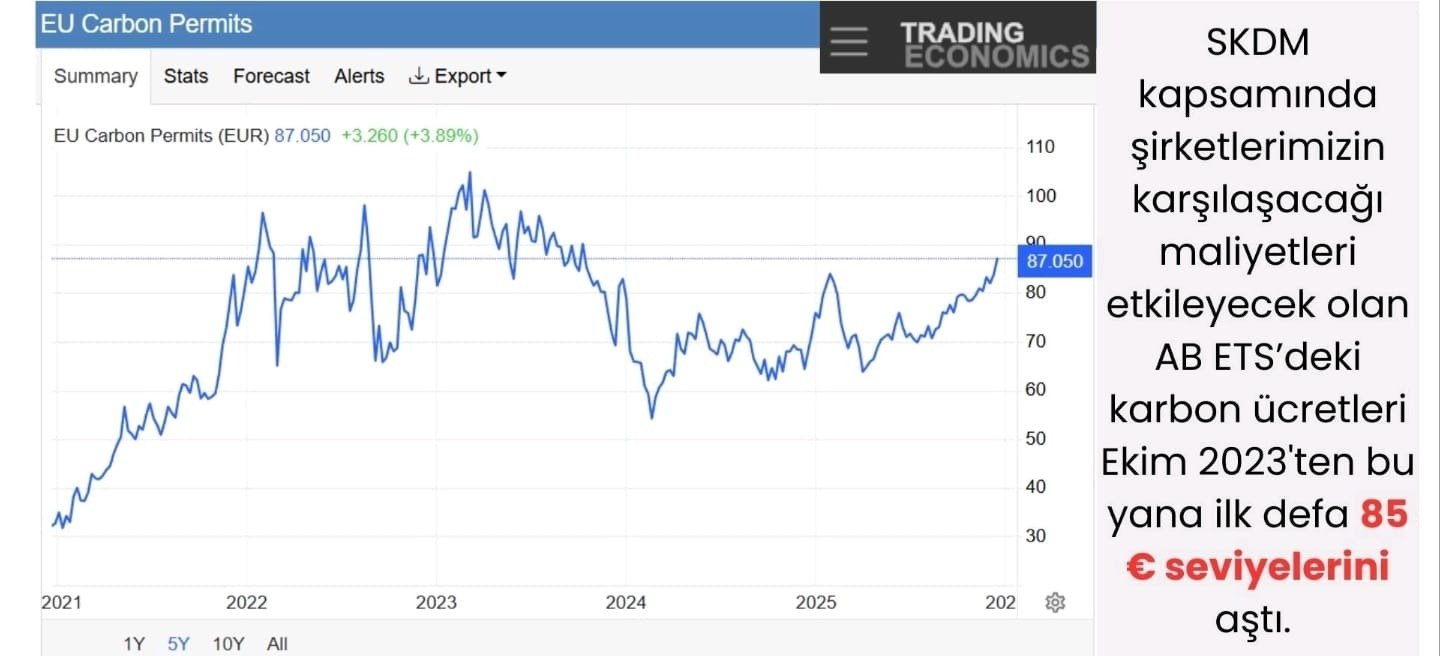
The emissions trading system enables companies to purchase carbon credits to offset their emissions. With the introduction of the Climate Law, the value and trade volume of carbon certificates may rise. This system may encourage the development of innovative technologies. For example, new agricultural techniques or biotechnology solutions that reduce emissions could see increased demand in the market.
2. Advantages
a. Increased Sectoral Accountability
The emissions trading system enables more systematic emission control across sectors. Companies may be encouraged to adopt more innovative and environmentally friendly production methods to remain within their carbon limits. This can accelerate progress toward emission reduction goals.b. Incentivizing Green Technology and Innovation
Carbon trading encourages investment in low-emission technologies. For example, sustainable agricultural practices or low-emission livestock systems may be supported. In agriculture, innovations such as biotechnological solutions or new feed additives to reduce methane emissions could come to the forefront.c. Economic Opportunities
Carbon trading can generate green employment and open new job markets within the sector. The buying and selling of carbon credits can introduce new financial models and business opportunities. Additionally, aligning with international carbon monitoring and reporting standards may open new markets and trade opportunities for Turkey.d. Integration into Global Carbon Markets
By integrating into the global carbon market, Turkey could generate revenue through the sale of international carbon credits. This may positively affect the country’s foreign trade balance.
3. Disadvantages
a. High Compliance Costs
Initially, the emissions trading system may bring high compliance costs, especially for the agriculture and livestock sectors. Transitioning to new technologies, infrastructure investments, and regulatory compliance could be costly, particularly for small-scale farmers and businesses.b. Carbon Price Volatility
For the emissions trading system to be effective, carbon credit prices must remain stable. However, price fluctuations in the carbon market may hinder long-term planning for sectors. High carbon prices could increase food prices and agricultural costs, potentially leading to food security concerns.c. Excluded Sectors
With the full implementation of the Climate Law, some sectors might be excluded from the emissions trading system or only partially included. If sectors like agriculture and livestock remain outside the system, investments in sustainable production methods could decline, slowing down the transition process.d. Issues with Fair Carbon Allocation
The emissions trading system requires a fair approach to the allocation of carbon credits. However, initial inequalities in the system (e.g., between large agribusinesses and small farmers) may lead to significant environmental and economic injustices. Carbon trading could disproportionately benefit large, wealthy companies while disadvantaging smaller and traditional businesses.
Conclusion and Recommendations
The Climate Law presents important opportunities to reduce carbon emissions and promote environmentally friendly technologies through its impact on the emissions trading system. However, careful strategies must be implemented to manage the adaptation process and financial burdens.In particular, dedicated incentive programs and educational infrastructure should be developed to promote low-emission technologies and support small farmers in the agriculture and livestock sectors.In this context, it is critical to develop more transparent regulations and financial mechanisms to ensure a fair and balanced implementation of the Emissions Trading System across all sectors. -